
Clinical reasoning
How to study INBDE patient-case practice questions
Go beyond memorizing answers: read the patient box, interpret clinical clues and turn every missed question into a better decision next time.
Read the patient before the answer choices
Official INBDE practice materials show how patient information and clinical findings can shape a question. Before scanning the options, identify the chief concern, relevant medical history, medications, allergies and examination findings. Ask what the question actually wants: a diagnosis, a risk factor, the next step, or a contraindication.
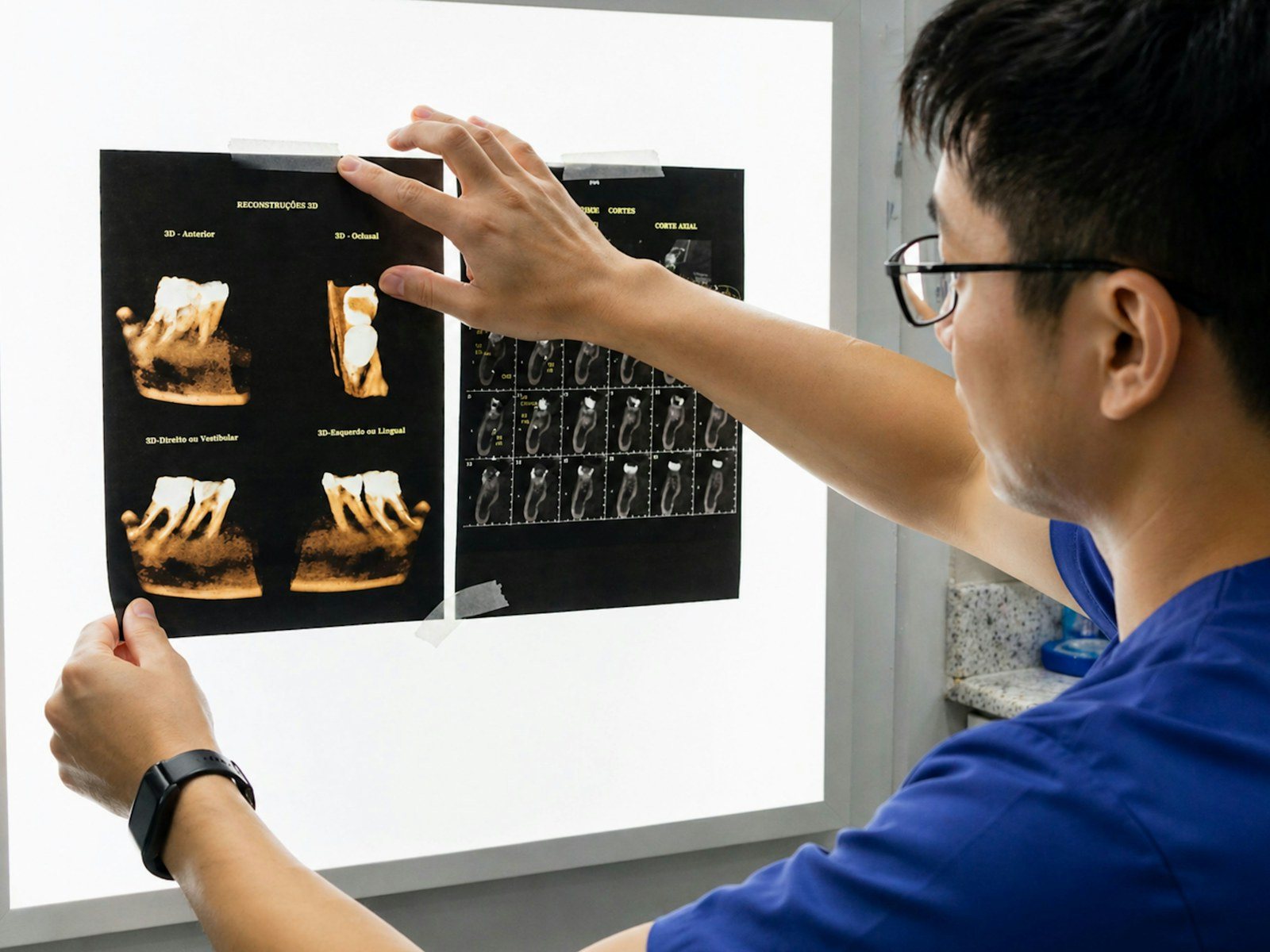
An image may be important, but it should be interpreted in the context of the history and findings. Do not let a familiar radiograph or a single buzzword override the rest of the patient box.
Turn every explanation into a clinical rule
After answering, explain the evidence for your choice and the reason the closest distractor is less appropriate. If you miss a question, write down the decision you should have made rather than copying the answer letter. This gives you a rule you can use in a new case.
- What finding changes the decision?
- Which answer would be reasonable if the patient history were different?
- Did you miss a fact, a clinical clue or the question being asked?
Practice both untimed and under exam conditions
Untimed tutor-style practice is useful when you are learning to reason through cases. Add timed mixed sets once your understanding improves, then use mock exams to rehearse sustained attention and review strategy. Keep a record of recurring errors by clinical discipline so the next session addresses an actual gap.
Put this into practice
Explore Board READY features